
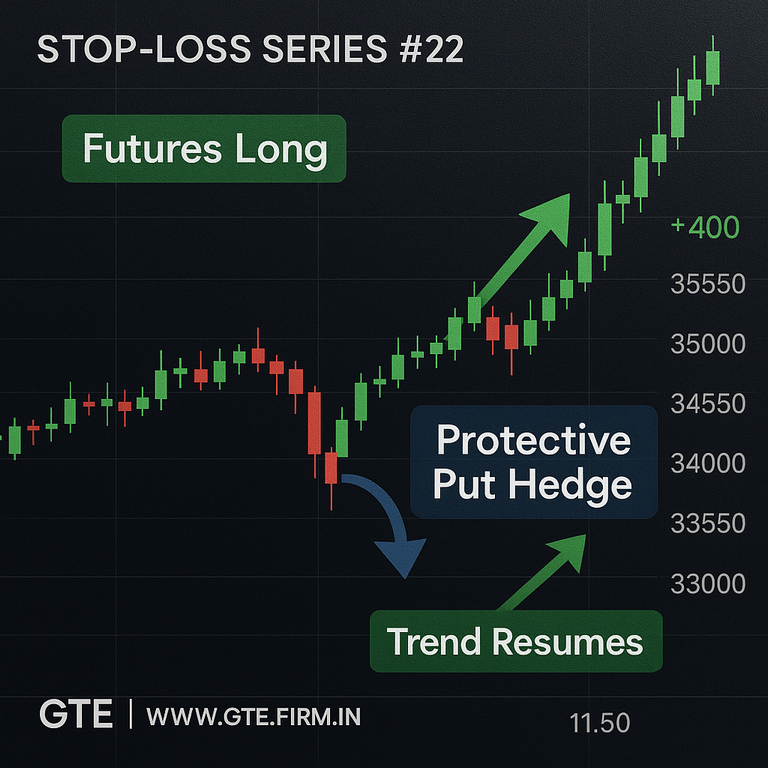
How a Put Hedge Saved a 400-Point BANKNIFTY Rally
In a volatile BANKNIFTY Futures trade, a protective put option was used instead of exiting the position. The hedge capped […]
In a volatile BANKNIFTY Futures trade, a protective put option was used instead of exiting the position. The hedge capped […]

In volatile markets, exiting a trade is often the worst decision. Options hedge stop-loss allows traders to cap risk without
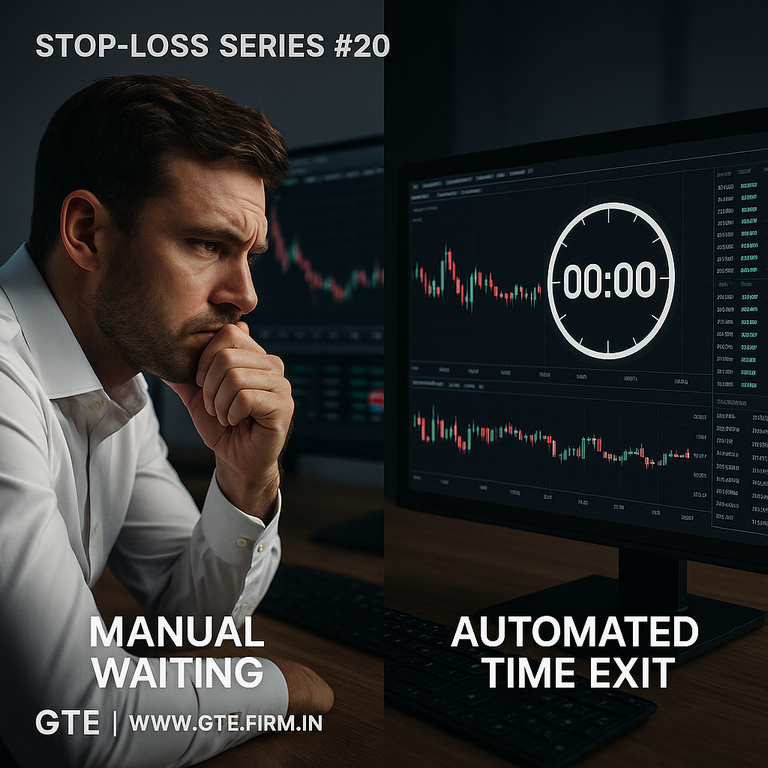
Time-based stop-loss fails when traders hesitate and override their own rules. Automation enforces the exit exactly at the predefined time,
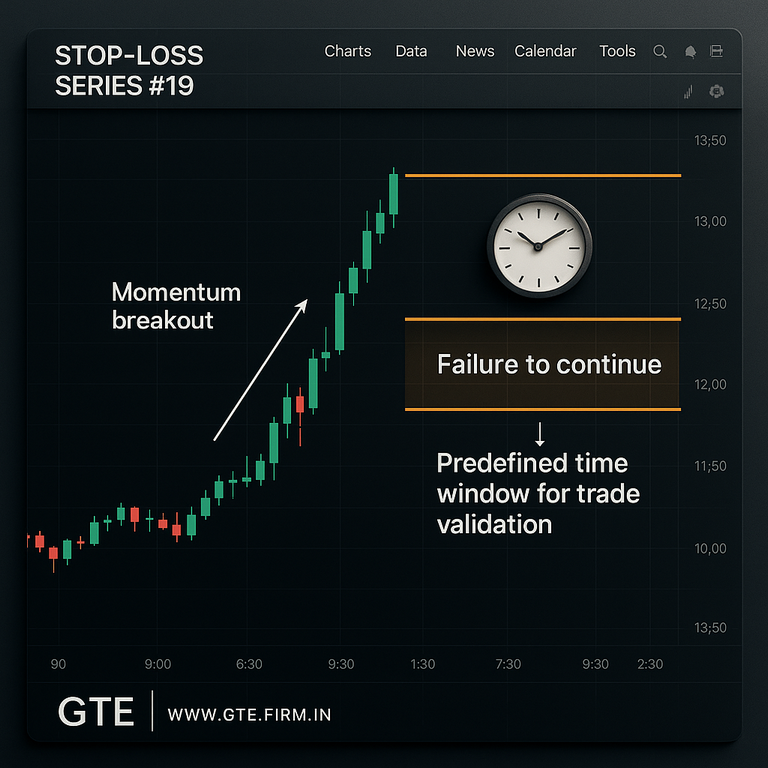
Time-based stop-loss performs best in fast-moving, momentum-driven environments such as breakouts, opening-range trades, and intraday systems. In these setups, time

In a crude oil intraday trade, price failed to move within the expected time window. A time-based stop-loss exited the
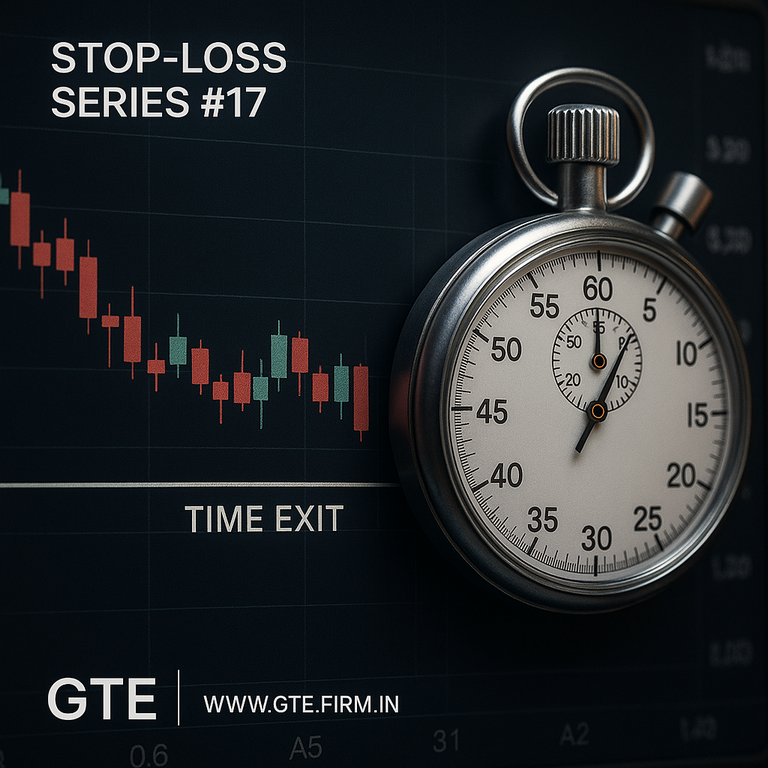
Most traders focus only on price, ignoring time. But time magnifies losses, increases emotional stress, and destroys discipline. Time-based stop-loss
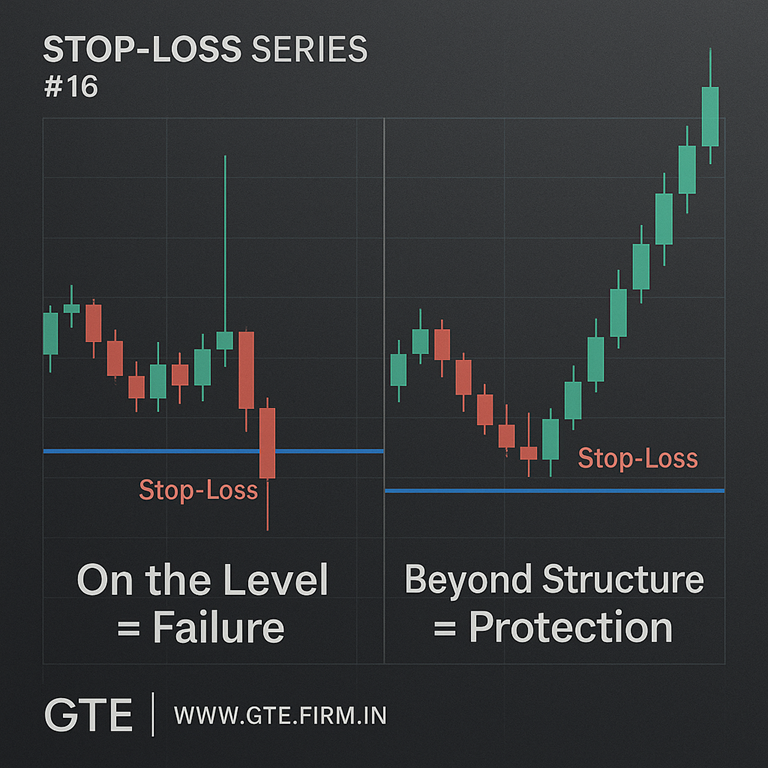
Structure-based stop-loss fails when traders place stops on obvious levels, use insufficient buffers, or interfere emotionally. Automation fixes these issues
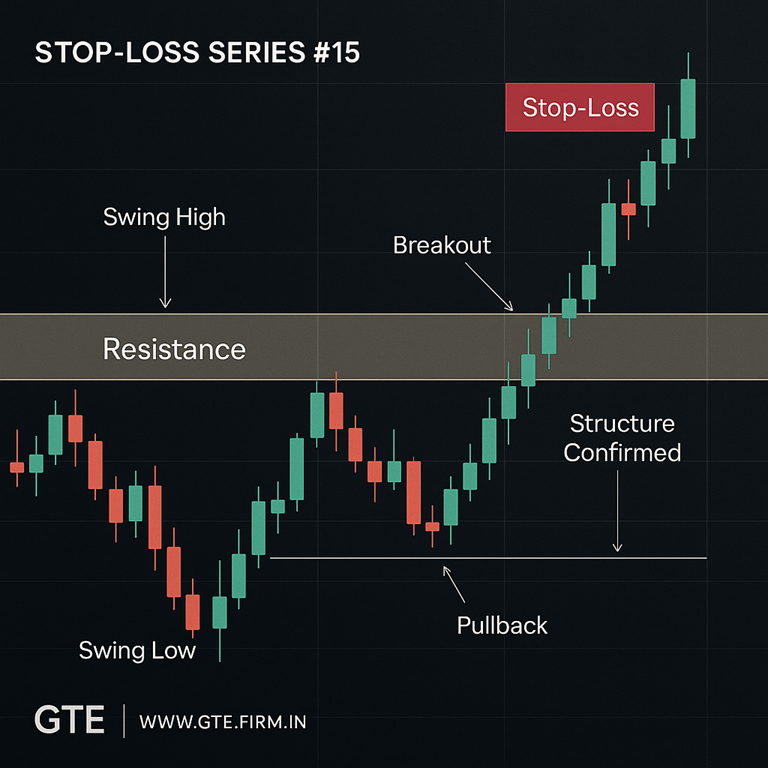
Structure-based stop-loss performs best in breakout trades, trend continuation pullbacks, and multi-timeframe setups where price structure is clearly defined. By
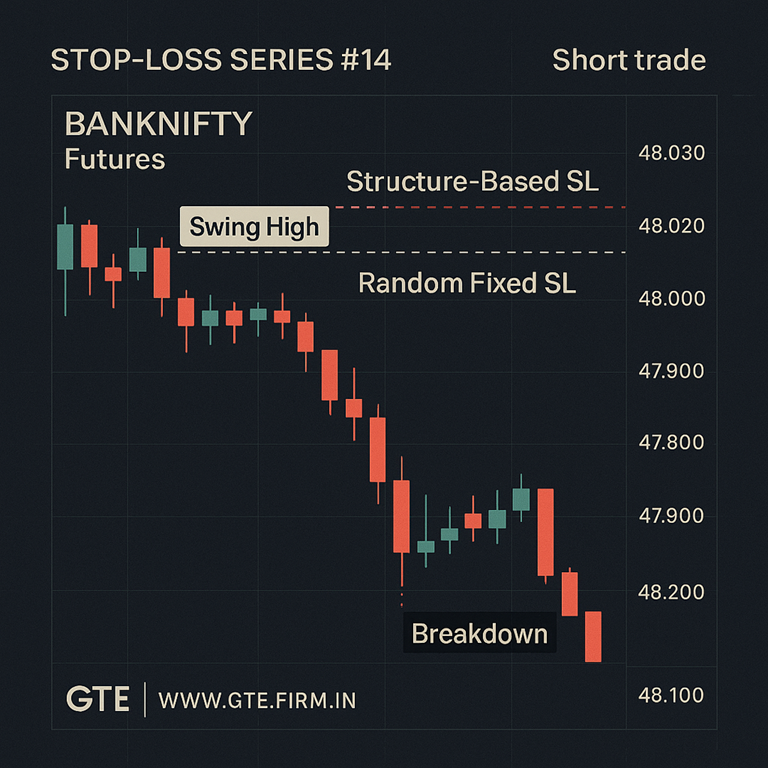
In a BANKNIFTY Futures short trade, a structure-based stop-loss placed beyond the previous swing high held firm while a random
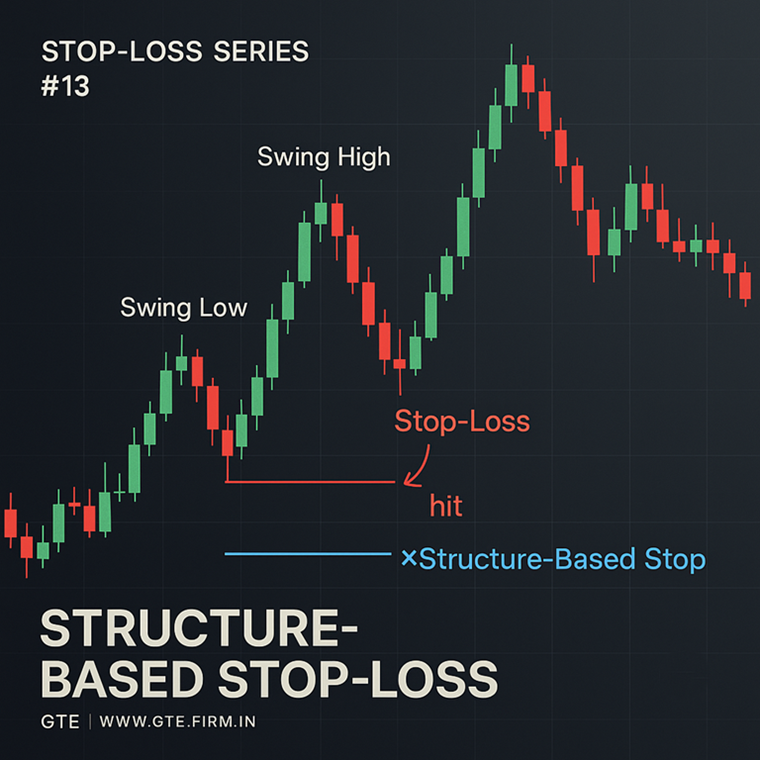
A stop-loss placed without market structure is almost guaranteed to fail. Structure-based stop-loss uses swing highs, swing lows, and support-resistance