
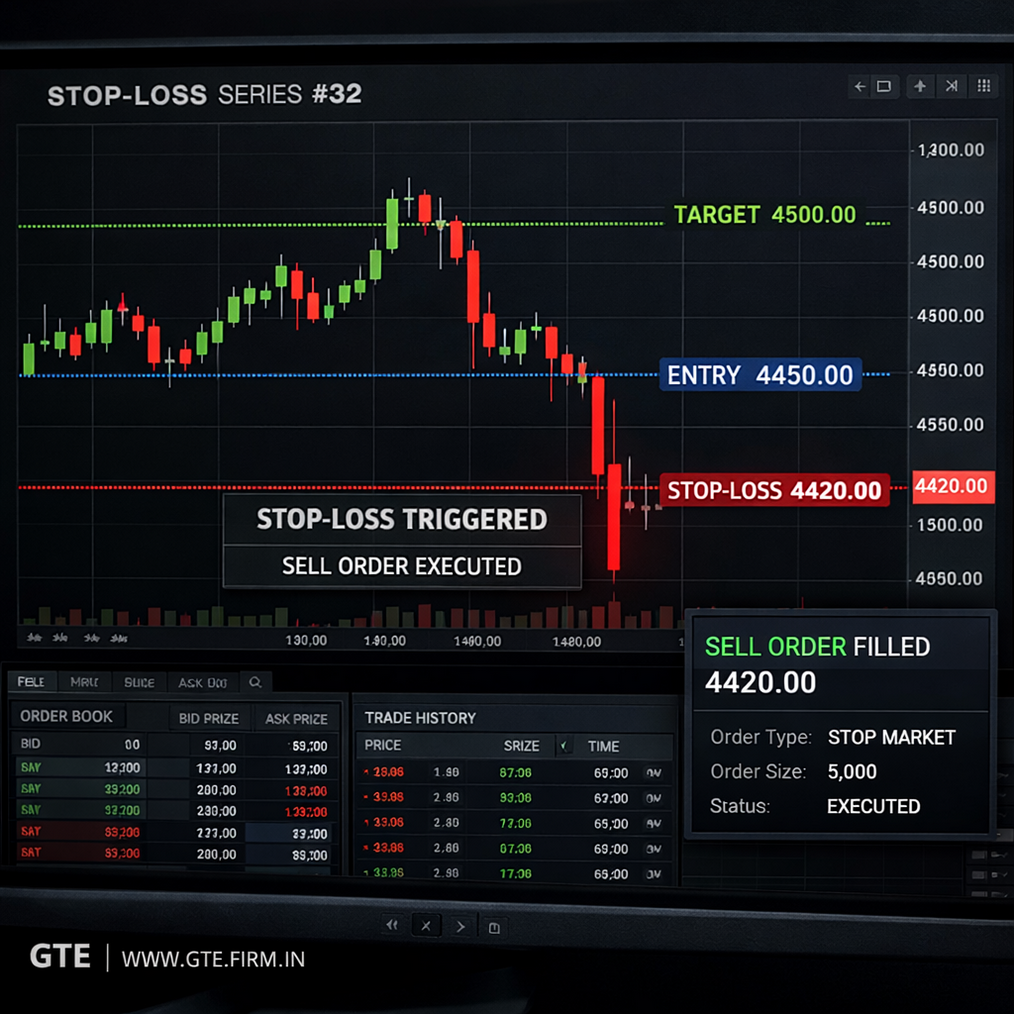
Why Automation Is the Foundation of All Stop-Loss Strategies
All stop-loss strategies rely on precise execution under pressure. Automation ensures rules are enforced instantly, emotions are removed, and risk […]
All stop-loss strategies rely on precise execution under pressure. Automation ensures rules are enforced instantly, emotions are removed, and risk […]
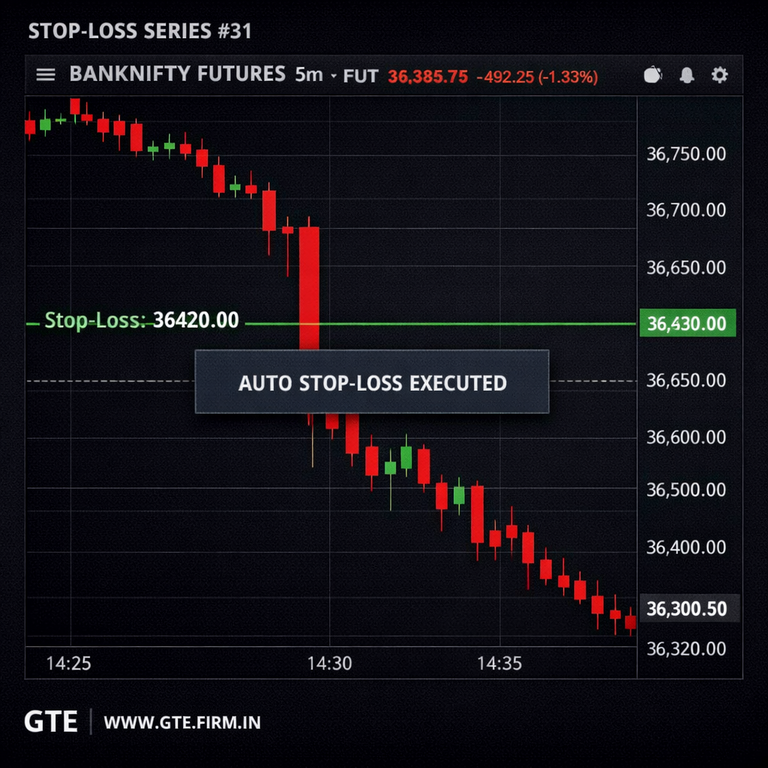
During a sudden BANKNIFTY volatility spike, an automated stop-loss executed instantly at the predefined level, preventing further loss expansion. A
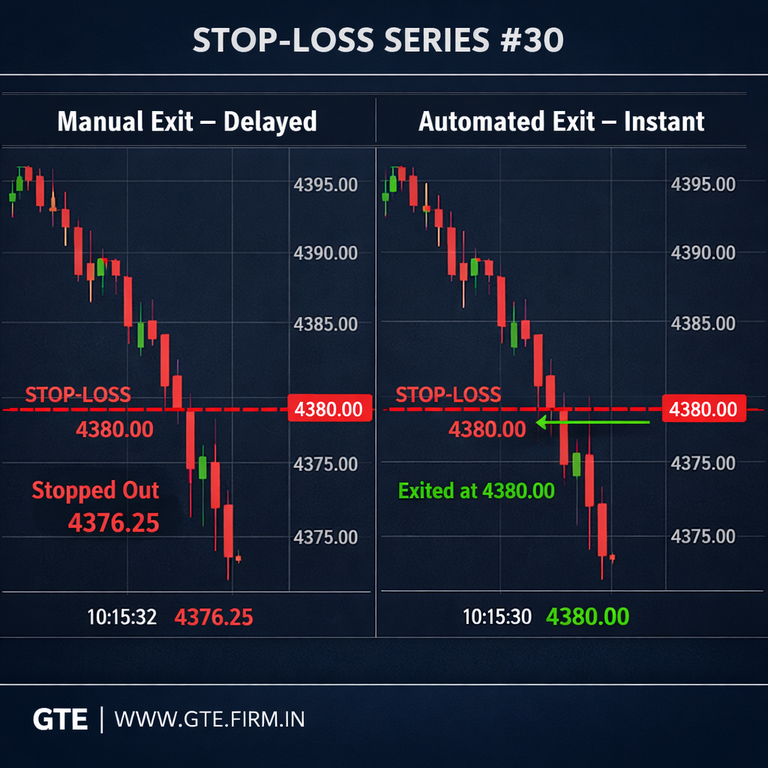
Manual stop-loss execution fails during volatility due to reaction delay and slippage. Automated stop-loss exits instantly at predefined levels, enforcing
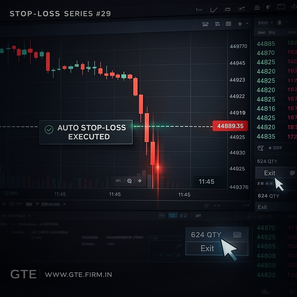
Most trading losses are caused by delayed or emotional stop-loss execution. Automated stop-loss systems remove hesitation and enforce exits instantly,
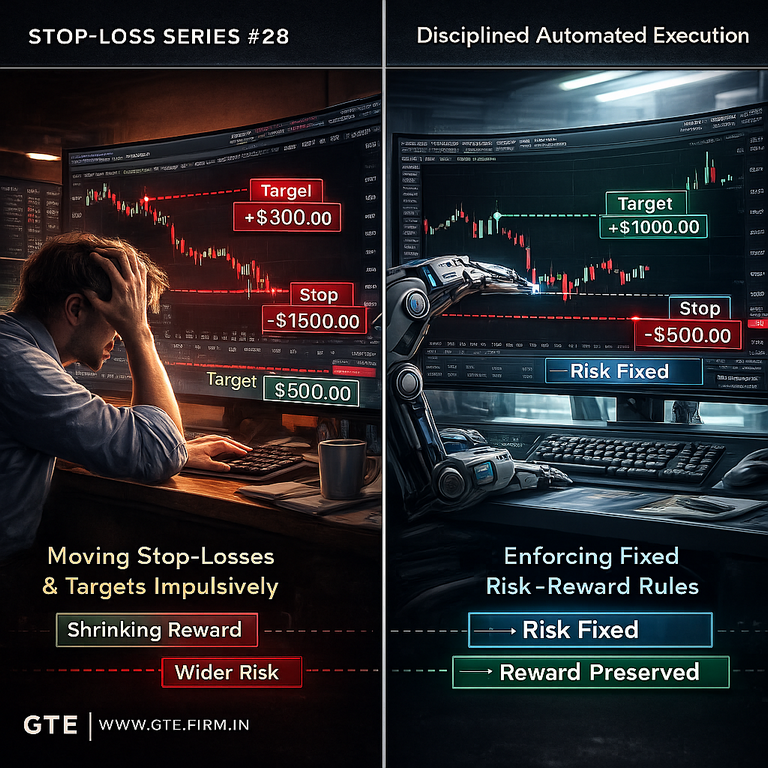
Risk–reward strategies fail when traders interfere emotionally, moving stop-losses and cutting profits early. Automation enforces fixed risk and preserved reward
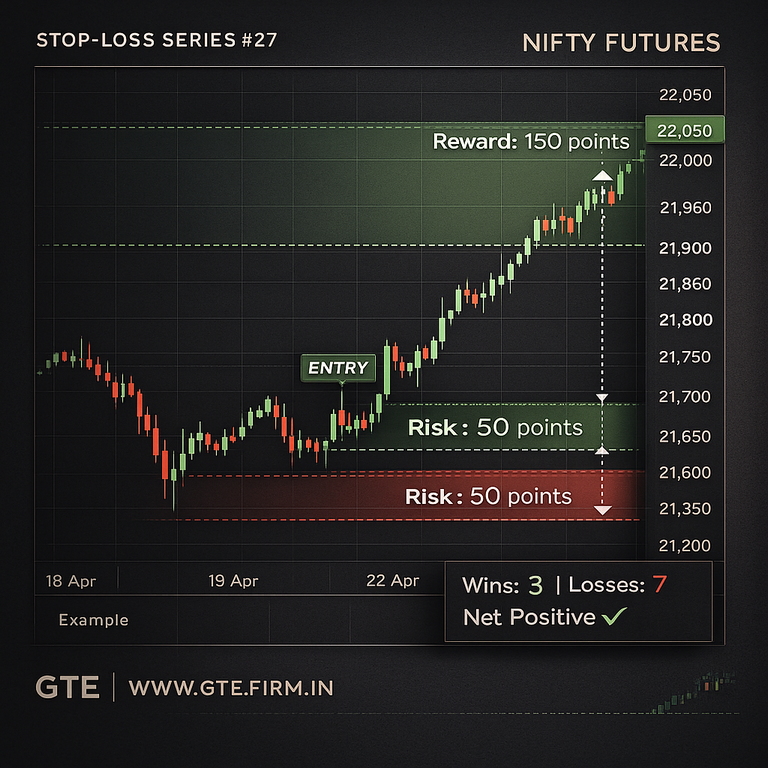
In a NIFTY Futures example with a 1:3 risk–reward ratio, losing 7 out of 10 trades still resulted in a
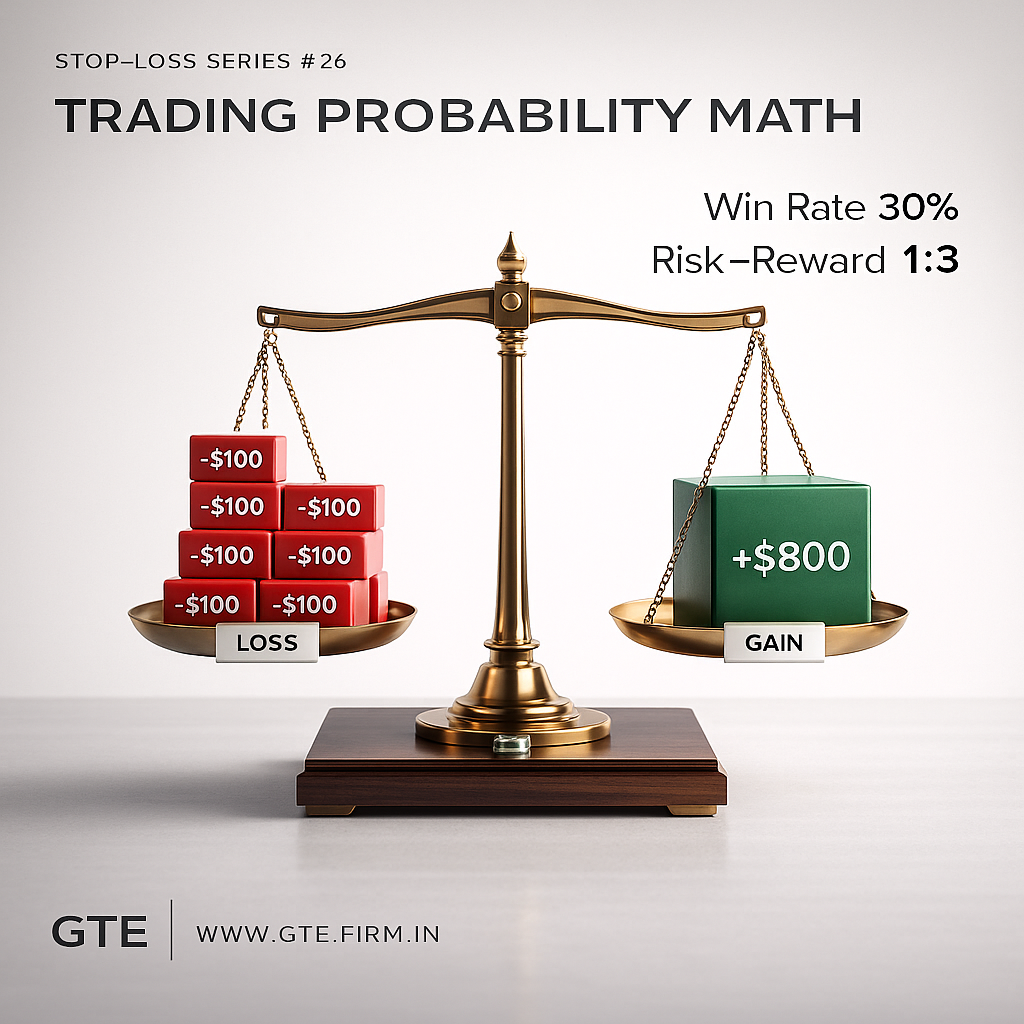
With a proper risk–reward ratio, traders can remain profitable even with a low win rate. The key is losing small
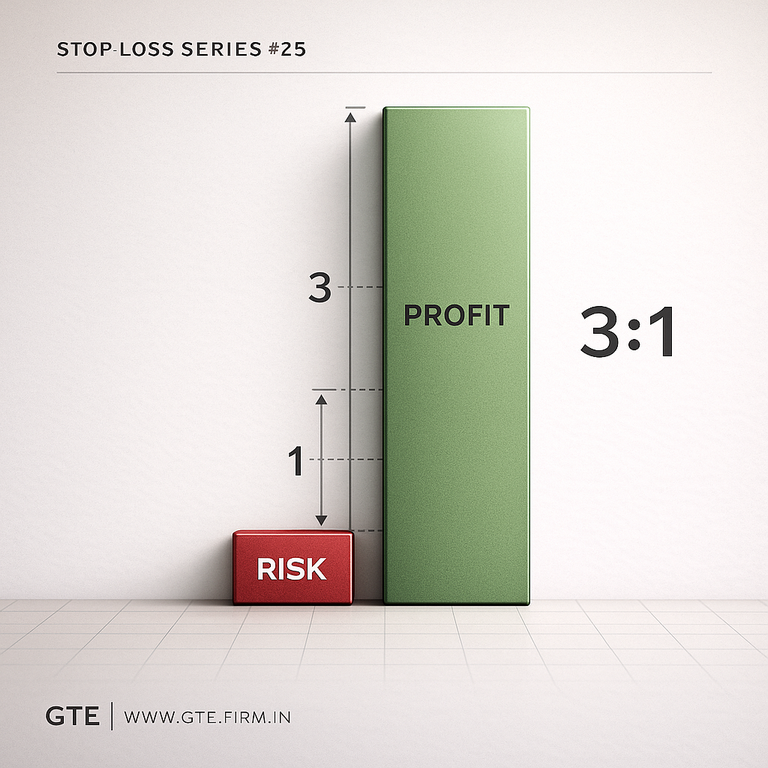
Most traders lose money not because their entries are wrong, but because their risk–reward structure is flawed. Risking large amounts
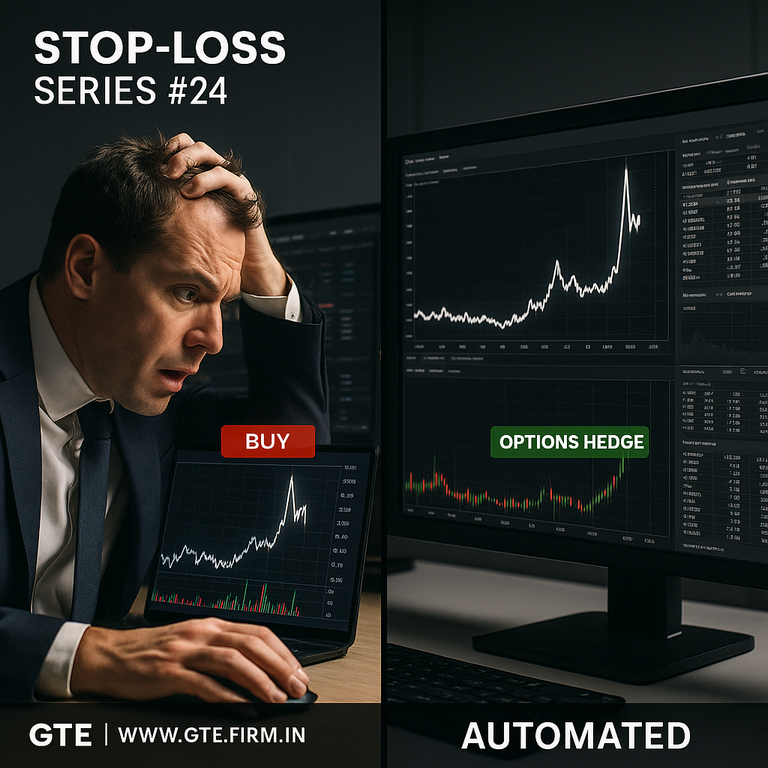
Options hedge stop-loss fails when traders hesitate and react late to volatility spikes. Automated hedging activates instantly based on predefined
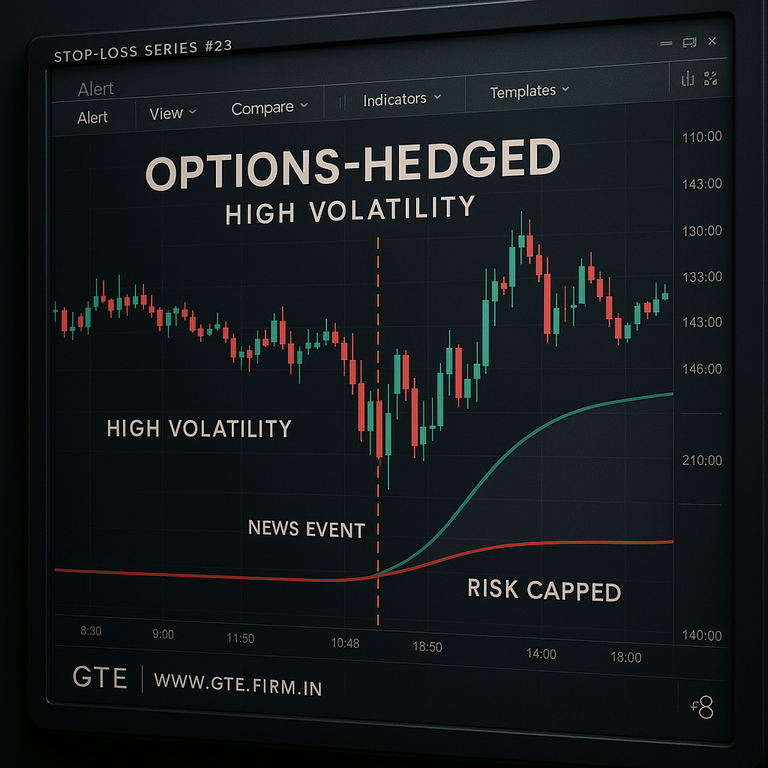
Options hedge stop-loss is ideal for high-volatility environments, news-driven markets, and large leveraged positions where exiting can be costly. By