
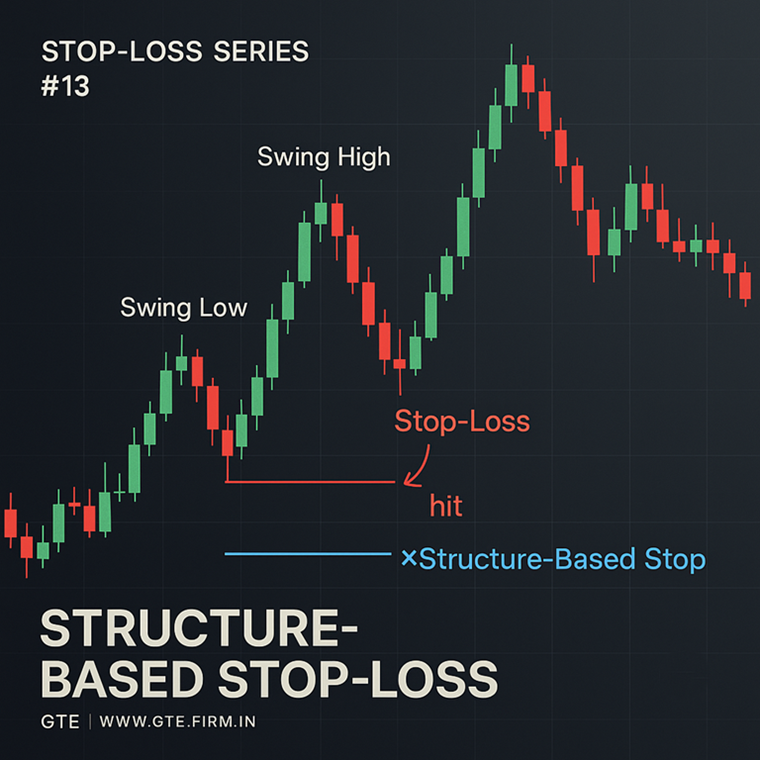
Why Structure-Based Stop-Loss Is Smarter Than Random Stops
A stop-loss placed without market structure is almost guaranteed to fail. Structure-based stop-loss uses swing highs, swing lows, and support-resistance […]

A stop-loss placed without market structure is almost guaranteed to fail. Structure-based stop-loss uses swing highs, swing lows, and support-resistance […]
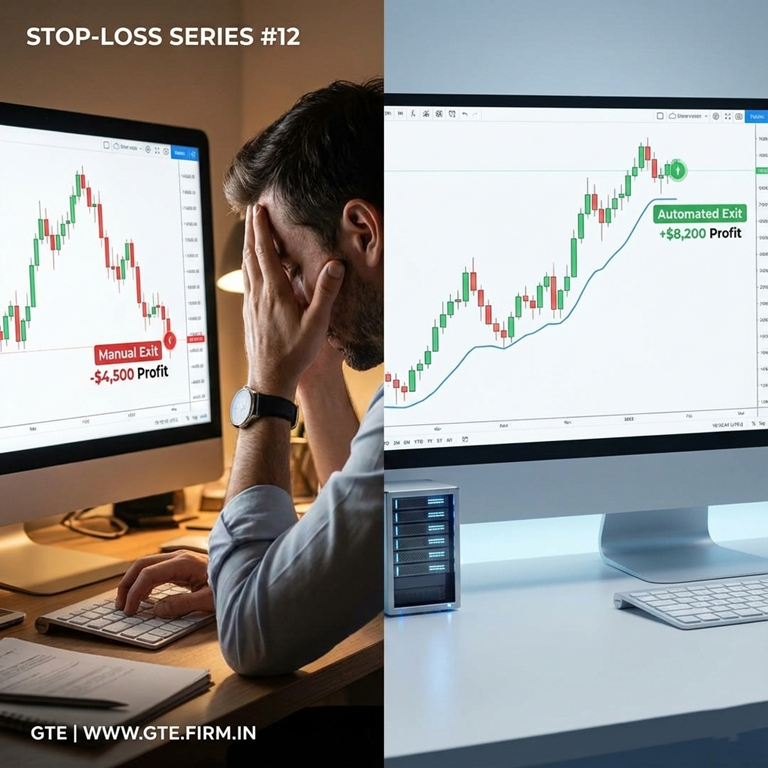
Manual exits are driven by emotion — hesitation, greed, and fear. Trailing stop-loss removes this problem by automatically locking profits
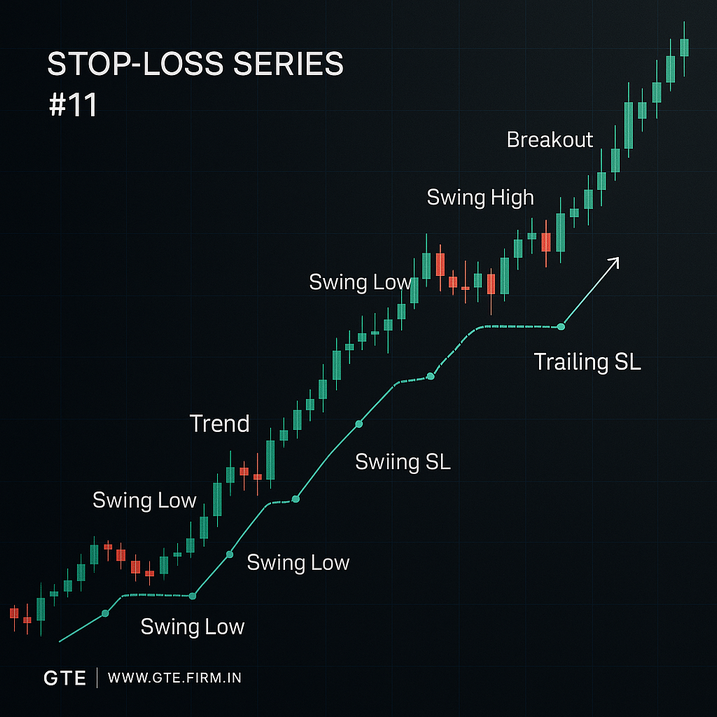
Trailing stop-loss is most effective in trending markets, breakout setups, and swing trading environments. It rises with price, locks in

A trailing stop-loss rises with price during a profitable move and locks in gains automatically during reversals. In the GOLD

Most traders know how to enter a trade but not how to exit profitably. Trailing stop-loss removes emotional exit decisions
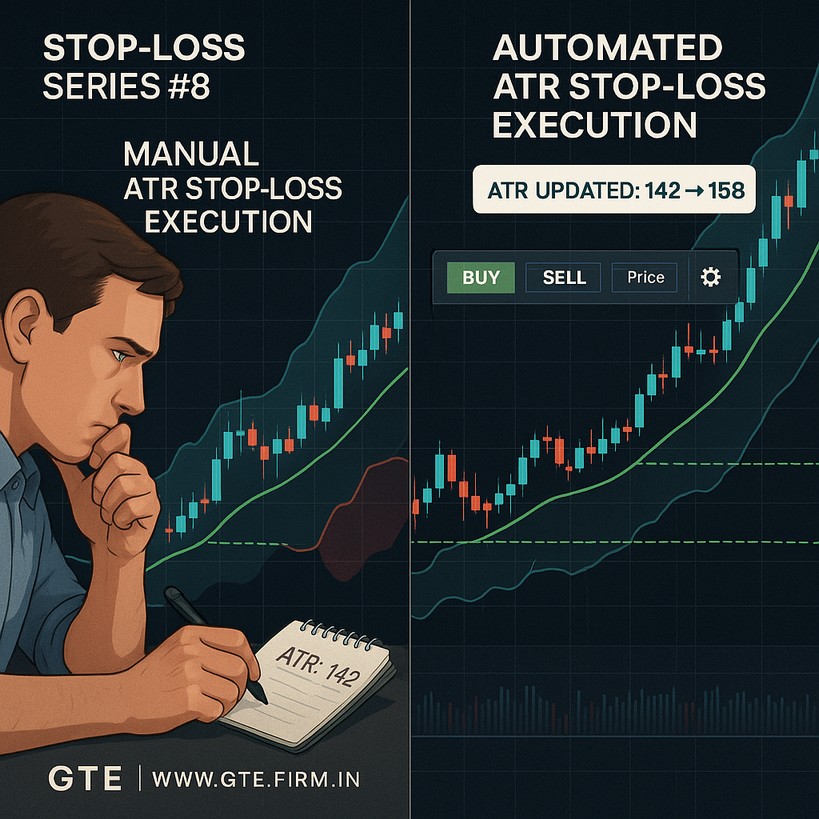
ATR stop-loss only works when it adapts continuously. Manual execution is slow, emotional, and inconsistent, which defeats the entire purpose
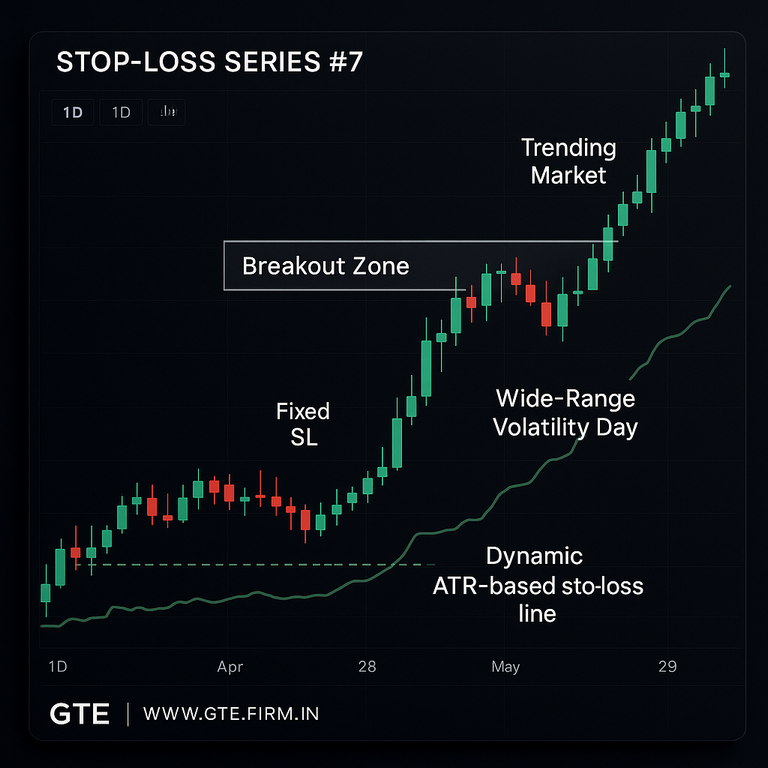
ATR stop-loss is most effective in trending markets, breakout setups, and high-volatility environments. It adjusts dynamically with candle ranges, reducing
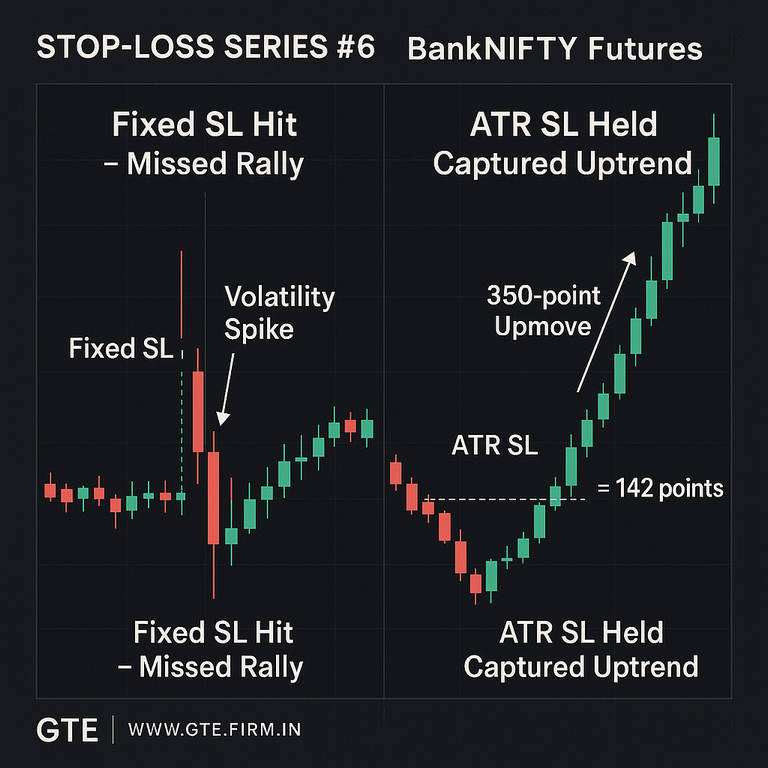
A fixed 50-point stop-loss on BankNIFTY was hit instantly during a volatility spike. The market then rallied more than 350
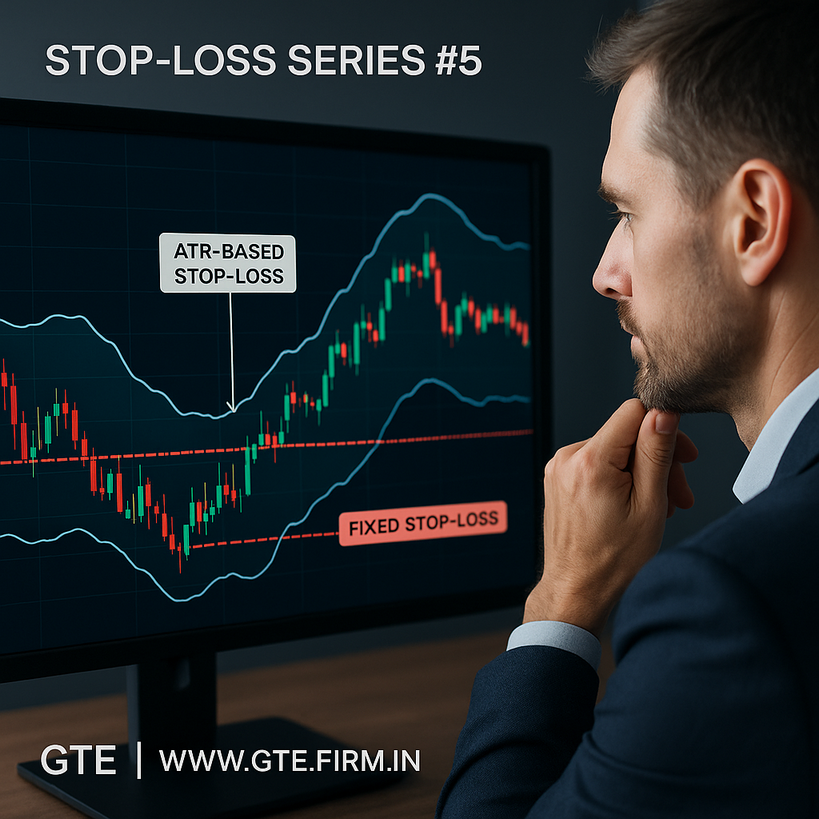
A fixed stop-loss gets hit frequently in volatile markets, forcing traders out before the real move begins. ATR-based stop-loss solves
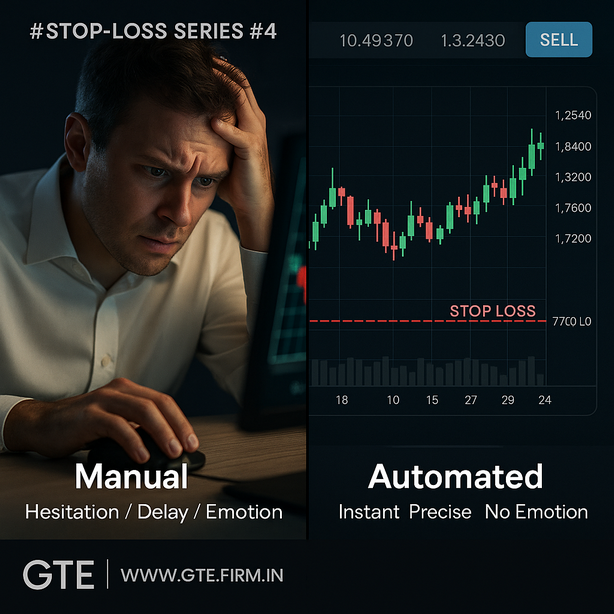
Manual stop-loss fails because traders hesitate, shift levels, or remove the SL entirely.Automated stop-loss executes instantly, without fear or ego.