
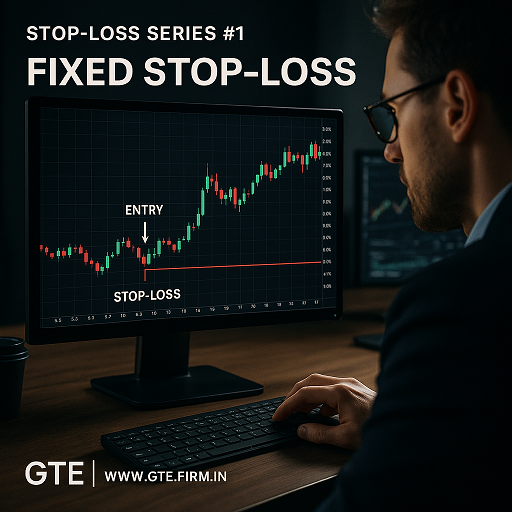
Why Most Traders Misuse Fixed Stop-Loss
Fixed Stop-Loss is the simplest and most widely used stop-loss method — but it is also the most abused.Most traders […]

Fixed Stop-Loss is the simplest and most widely used stop-loss method — but it is also the most abused.Most traders […]
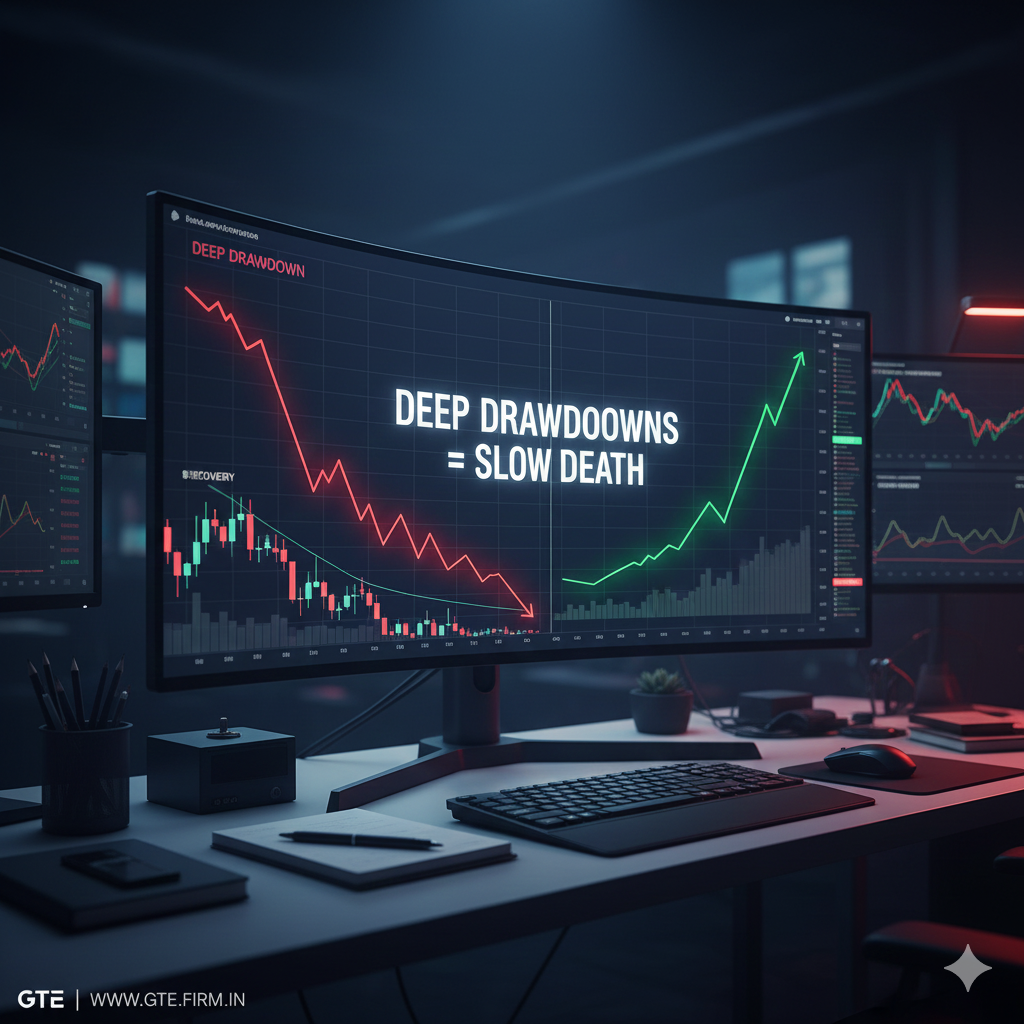
Traders don’t blow up because of one bad trade.They blow up because they allow deep drawdowns that mathematically become impossible

Most traders don’t lose money because they lack profitable strategies. They lose because they refuse to cut losses in time.

Automated Stop-Loss Execution: Why Algorithms Beat Manual Trading Every Time The brutal truth is this: most traders don’t lose because

Stop-Loss & Risk–Reward Ratio: The Mathematical Truth Most Traders Ignore The majority of retail traders lose money not because they

Stop-Loss Using Options Hedge: How Professionals Reduce Risk Without Exiting Positions Most retail traders believe that the only way to

Time-Based Stop-Loss: Because Waiting Kills Accounts Most traders believe that time has nothing to do with stop-loss. They think only

Structure-Based Stop-Loss: The Smartest Way to Place Stops Using Price Action Levels A stop-loss placed randomly is a stop-loss guaranteed

Trailing Stop-Loss: The Discipline Tool That Protects Profits Like a Professional Most retail traders know how to enter a trade.

ATR-Based Stop-Loss: The Volatility-Driven Strategy That Saves Traders from Sudden Market Whipsaws Most traders lose money not because they choose